AI for Software Development Needs a Safety Net
Ship AI-assisted code behind SLO-gated rollouts that auto-revert before your error budget breaks, not after.
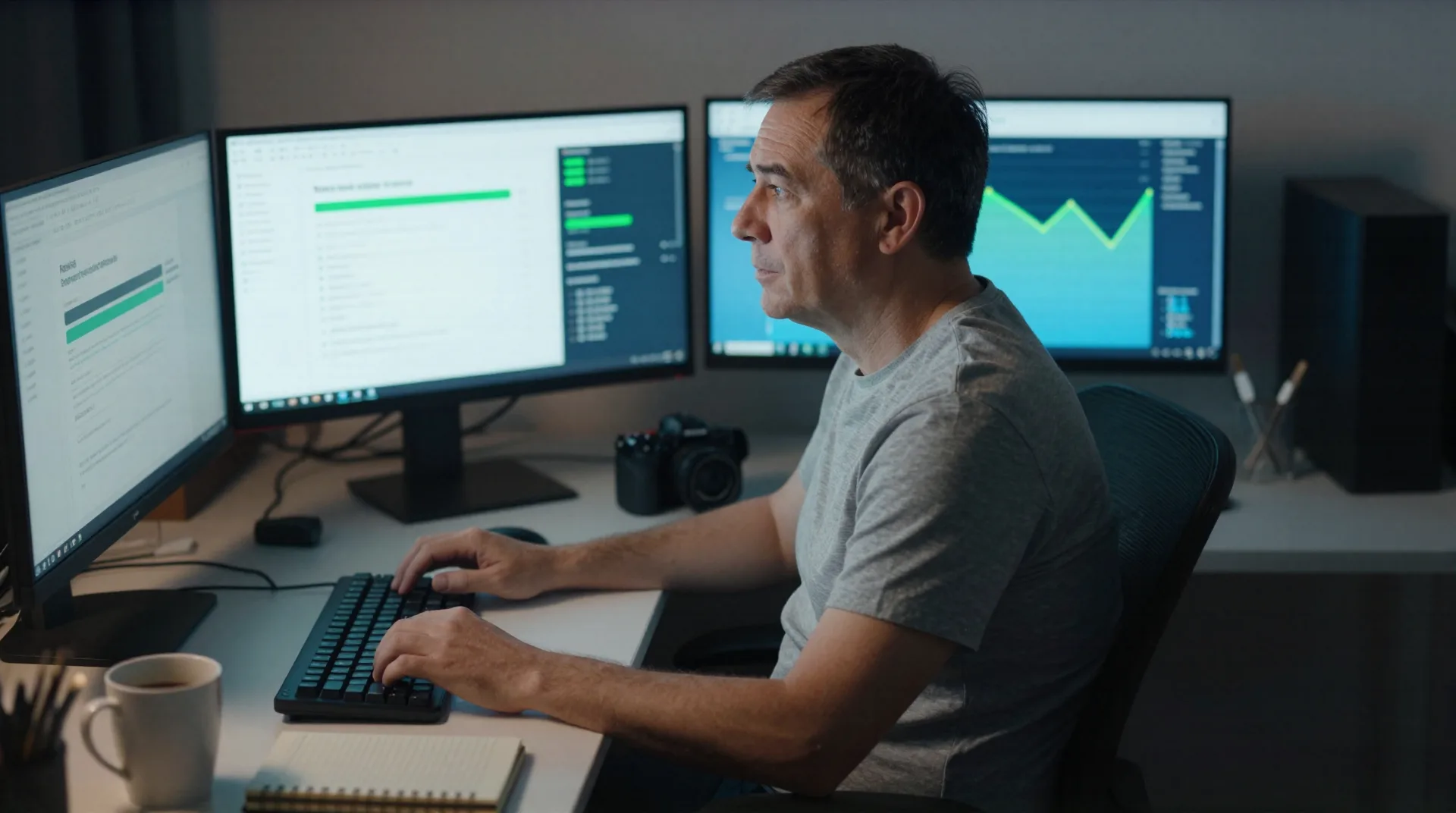
Six things a static percentage rollout cannot do
SLO-gated auto-rollback
Reverts the moment error budget burn crosses your threshold. No one has to notice the alert first.
Real-time budget burn
Watch error budget consumption per service and per rollout stage, updated as traffic hits the canary.
Risk-scored deploys
Flags high blast-radius diffs, AI-authored or not, before they reach 100 percent of traffic.
Canary, ring, or percentage
Pick the rollout pattern that fits the service. Change it per team without a platform ticket.
Blast radius controls
Scope every flag to a service, a region, or a single account. Contain the damage before it spreads.
Full deploy audit trail
Every flag flip, gate, and rollback logged with who or what triggered it, AI Pilot included.
How it works
Five steps between a merged pull request and a contained incident.
-
1
Connect your pipeline
Wire upstreamapi into your CI/CD via webhook or API. It runs alongside your existing feature flag setup.
-
2
Define the SLO budget
Set the error rate and latency thresholds that actually matter for the service you are shipping.
-
3
Ship behind a flag
Push the change, human-written or AI-assisted, behind a flag instead of straight to full traffic.
-
4
AI Pilot watches the rollout
It tracks budget burn continuously across each stage, not just a fixed five-minute canary window.
-
5
Auto-rollback fires first
If the budget breaks, the flag reverts before an alert reaches a human. The post-mortem starts already contained.
Ship AI-generated code without babysitting the rollout
Your team merges more pull requests since adding an AI coding assistant. DORA's 2025 State of AI-assisted Software Development report found the same pattern industry-wide: pull requests merged per engineer up 98 percent, incidents per pull request up 242.7 percent. upstreamapi does not slow the AI down. It puts a gate between the merge and the blast radius, so a bad AI-authored diff burns a canary's error budget, not the whole fleet.
- Works with any CI/CD, not one vendor's pipeline only
- Gates rollout velocity to error budget, not a fixed timer
- Flags diffs with an unusual complexity delta for tighter canary stages
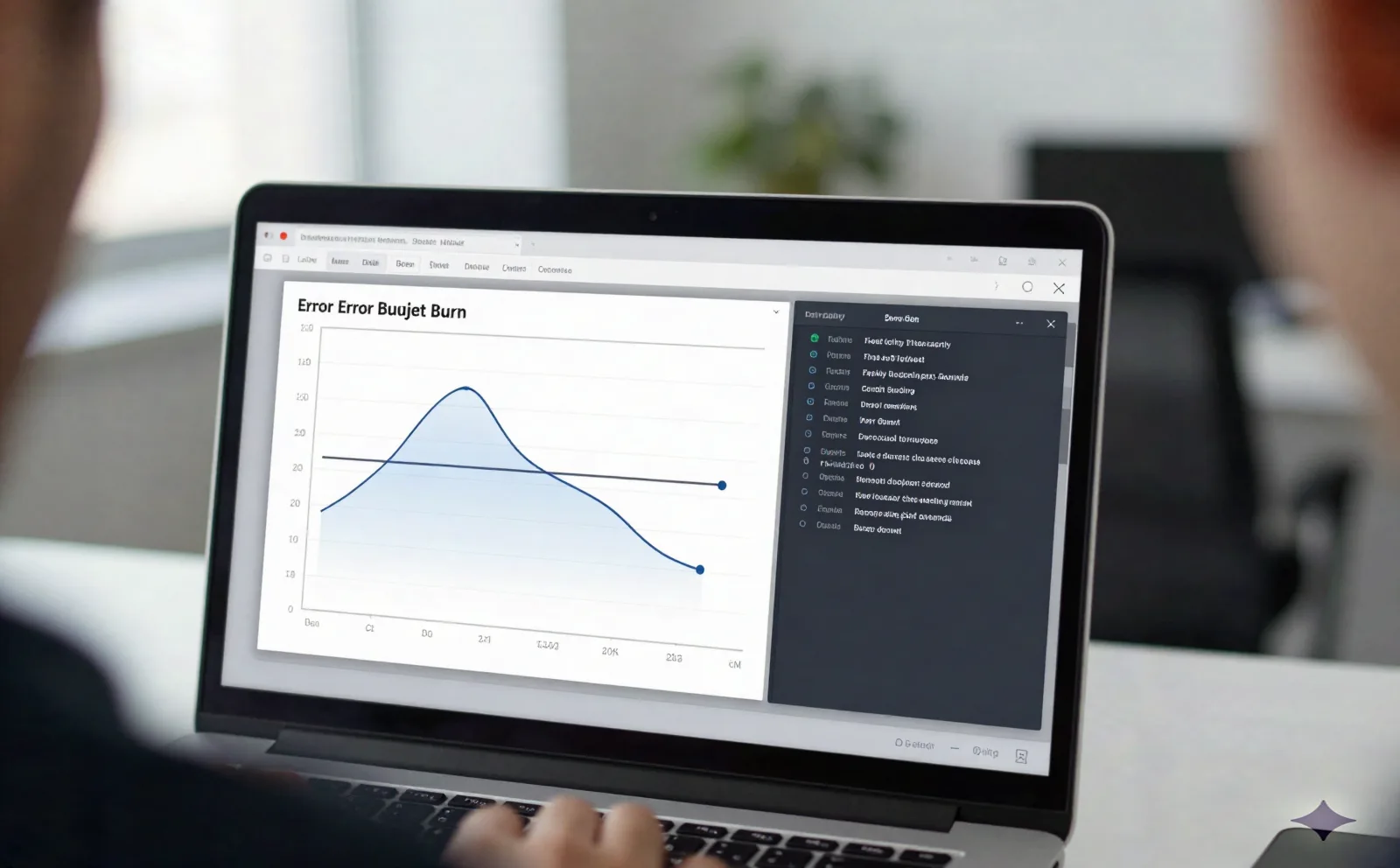
See the incident before your customers do
A rollback that fires in the first two minutes of a canary stage never reaches a status page. upstreamapi watches the SLO budget stage by stage and reverts automatically, then hands the on-call engineer a timeline: what shipped, what burned, and what already got reverted, before they even open a dashboard.
- Timeline view ties every incident back to the triggering deploy
- Works for AI-authored and human-authored changes alike
- Cuts the time spent proving which change caused the spike

The AI productivity trade nobody priced in
Common questions
Does AI actually make software delivery riskier?
How is an SLO-gated rollout different from a manual canary?
What happens when an AI-authored change trips the gate?
Do we need to replace our existing feature flag system?
How does auto-rollback avoid reverting on noisy, harmless spikes?
What does this cost?
Is our deployment and code data secure?
Can we use this without an AI coding assistant on the team?
Start Your First SLO-Gated Rollout
Free pilot on one service. Keep your existing CI/CD and feature flag setup while you try it.